Reviving Persian Carpets: Empowering Hardworking Iranian Women Weavers Through Rights and Fair Support
Lorem ipsum dolor sit amet, consectetur adipisicing elit. Hic maiores porro consequatur! Id amet modi ad iusto sunt quo ut natus quis officiis repudiandae, enim, consectetur voluptates sit, illum totam?
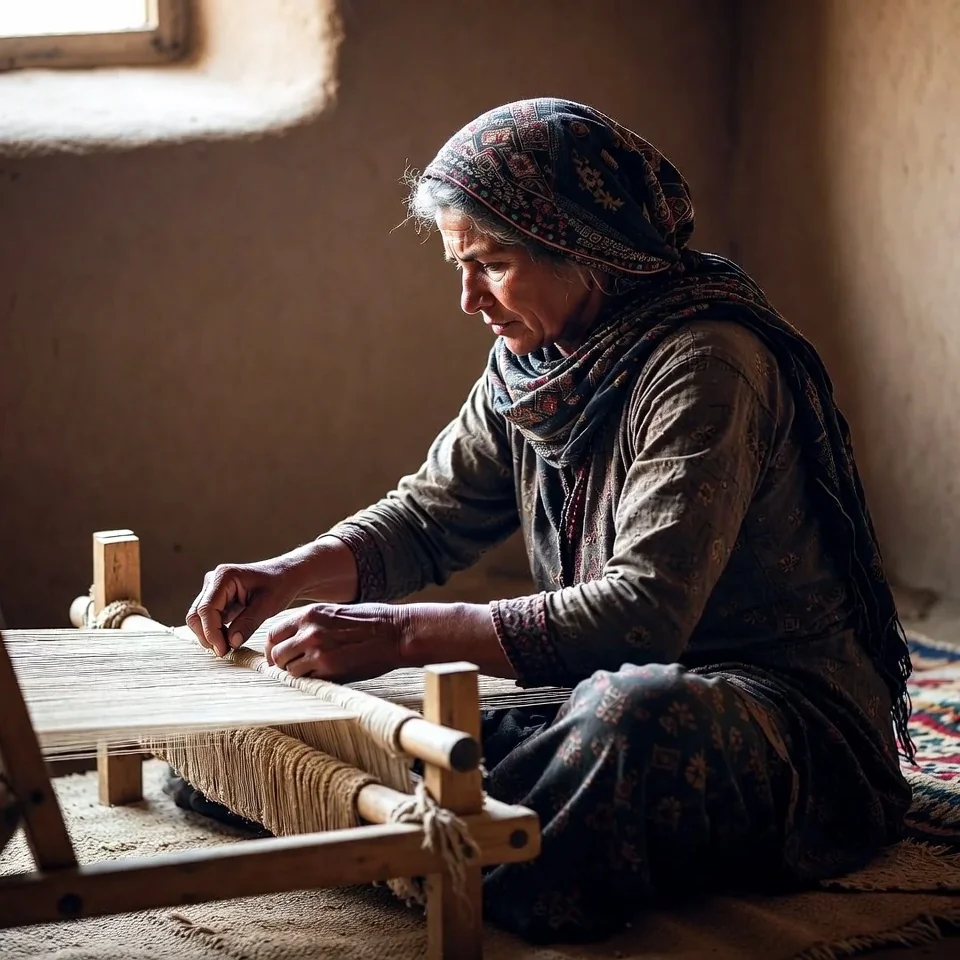
Persian carpets, known worldwide for their intricate beauty and cultural depth, are facing modern challenges. Yet, a powerful revival is underway, driven by advocates like Maryam Kiani, who focus on supporting the rights of hardworking Iranian women weavers. These women, the true backbone of this ancient art, deserve fair wages, recognition, and empowerment. By championing their cause, we not only save Persian carpets but also preserve Iran's rich heritage for future generations.
Vestibulum id ligula porta felis euismod semper. Sed posuere consectetur est at lobortis. Aenean eu leo quam. Pellentesque ornare sem lacinia quam venenatis vestibulum. Duis mollis, est non commodo luctus, nisi erat porttitor ligula, eget lacinia odio sem nec elit. Donec ullamcorper nulla non metus auctor fringilla. Vestibulum id ligula porta felis euismod semper.
The Enduring Legacy and Current Threats to Persian Carpetsc
Persian carpets have been woven for over 2,500 years, symbolizing Iran's artistic soul. From the lavish courts of ancient Persia to modern luxury homes, these hand-knotted masterpieces feature floral motifs, geometric patterns, and storytelling designs. Regions like Tabriz, Isfahan, and Qum are famous for their silk carpets, which shimmer with unparalleled elegance due to fine silk threads and high knot densities.
However, the industry faces threats: mass-produced imitations, economic pressures, and exploitation of labor. Many Iranian women weavers, often working in rural workshops, receive minimal pay despite hours of meticulous labor. Child labor, poor working conditions, and lack of social security further endanger this UNESCO-recognized intangible cultural heritage. Without intervention, the authentic art of Persian carpets risks fading.
The Vital Role of Women in Persian Carpet Weavingc
Women have always been central to Persian carpet production. In villages across Iran, generations of women pass down techniques, tying thousands of knots per day to create silk carpets that can take years to complete. Their skilled hands bring life to designs inspired by Persian gardens, poetry, and mythology.
Yet, these hardworking Iranian women weavers often remain invisible. Low wages—sometimes below living standards—force many to abandon the craft for other jobs. This exodus threatens the survival of Persian carpets. Empowering them through rights advocacy, fair trade practices, and education is essential. Initiatives that provide healthcare, training, and market access can transform lives while sustaining the art form.
Maryam Kiani: A Champion for Women Weavers and Persian Carpet Revival
Maryam Kiani, a distinguished visual artist, painter, writer, and educator, is leading this revival. As the founder of academies in Iran focused on visual arts and beauty, and a graduate of Limkokwing University, Maryam Kiani bridges traditional craftsmanship with contemporary design. Her project transforms her original artistic designs into exquisite silk carpets, woven exclusively by talented Iranian women.
What sets Maryam Kiani apart is her commitment to fairness. She ensures weavers receive above-market wages, honoring their dedication and skill. This support improves their livelihoods, enables education for their children, and fosters community development. Maryam Kiani's silk carpets are not just luxurious items; they are symbols of empowerment, blending her realistic painting techniques with traditional motifs like jasmine flowers or abstract garden scenes.
Through ethical production and global exports, Maryam Kiani revives Persian carpets by putting women at the forefront. Her work proves that supporting rights leads to higher-quality crafts, as motivated weavers pour more creativity into each piece.
Benefits of Supporting Iranian Women Weavers
Advocating for the rights of hardworking Iranian women weavers yields profound impacts:
- Economic Empowerment — Fair wages reduce poverty and promote financial independence.
- Cultural Preservation — Motivated artisans preserve and innovate on ancient techniques, ensuring Persian carpets evolve without losing authenticity.c
- Social Progress — Better income supports education and health, breaking cycles of inequality.
- Global Appeal — Ethical silk carpets attract conscious consumers, boosting exports and Iran's soft power.
- Sustainability — Empowered communities adopt eco-friendly practices, like natural dyes.
Projects like Maryam Kiani's demonstrate these benefits in action, creating sustainable models for the industry.c
Challenges and Solutions in Empowering Women Weaversc
Despite progress, challenges persist: limited access to markets, gender biases, and competition from cheap imports. Solutions include:
- Fair trade certifications to guarantee ethical sourcing.
- Cooperative models where women own shares in production.
- Digital platforms for direct sales, bypassing middlemen.
- Advocacy campaigns highlighting stories of Iranian women weavers.
Maryam Kiani incorporates many of these, using her platform to share weavers' narratives and connect them with international buyers.
The Future: A Revived Persian Carpet Industry Through Empowerment
The revival of Persian carpets hinges on supporting hardworking Iranian women weavers. Visionaries like Maryam Kiani show the way forward: by prioritizing rights, fair pay, and creative collaboration, we can sustain this art while uplifting lives. Imagine a world where every silk carpet tells not just a design story, but one of resilience and equity.
As global demand for authentic, ethical luxury grows, initiatives focused on women will lead the renaissance. Supporting these efforts means investing in culture, craftsmanship, and humanity.
Conclusion: Join the Movement to Save Persian Carpets
Reviving Persian carpets is more than preservation—it's justice. By championing the rights of Iranian women weavers, artists like Maryam Kiani are crafting a brighter future. Explore Maryam Kiani's silk carpets to own a piece of this empowered heritage. Together, we can ensure that the threads of Iran's ancient art continue to weave stories of strength and beauty.